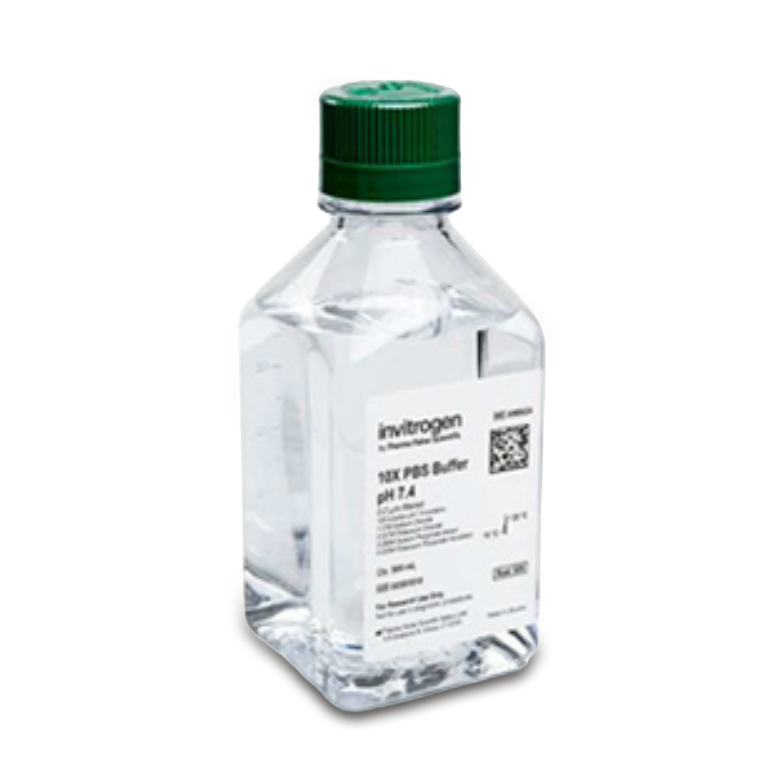
Life Science Buffers
Life science buffers help maintain stable pH and ionic strength across workflows like cell culture, sample preparation, protein work, and molecular biology. From ready-to-use solutions (e.g., PBS and wash buffers) to concentrated and powder formats for flexible dilution, choosing the right buffer supports reproducibility and reduces variability between runs. Explore trusted options from Affymetrix, BD Difco, Corning Media Tech, Fisher Bioreagents, and Fisher Chemicals to match your application needs.
Useful Links
Save Now - Exclusive Deals

Product Code 15746272

Product Code 10376743
Complete Your Order - Great Deals
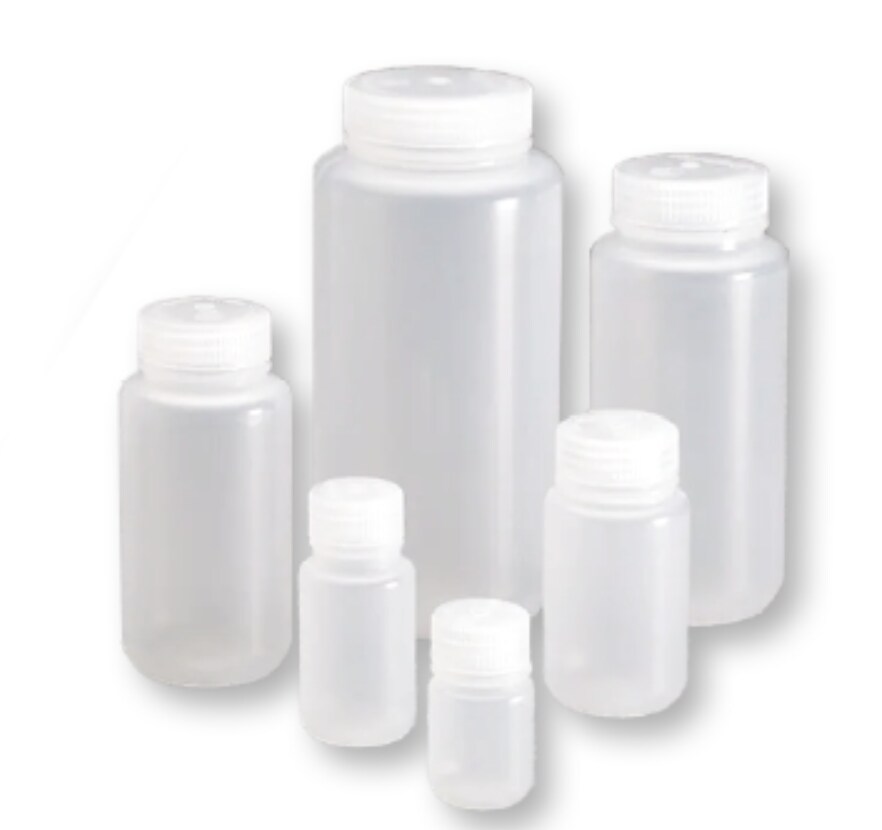
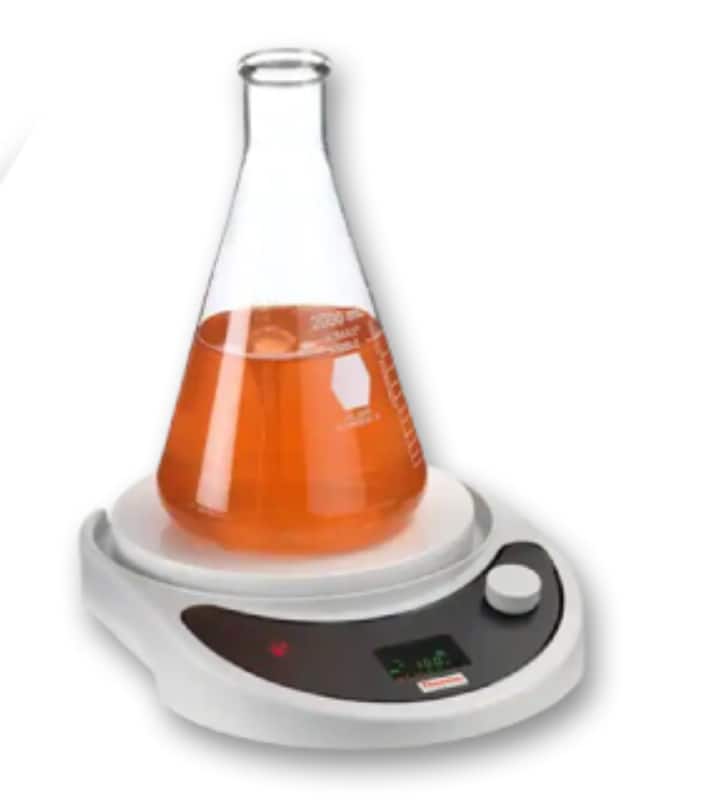
Must Have

Product Code 10204733
Product Code 15746272

Product Code 10388739
FAQ
Life science buffers stabilise pH and ionic strength to protect samples and improve reproducibility in cell culture, molecular biology, and protein workflows. Common examples include PBS, Tris, HEPES, and TE buffers. Choose the grade and format that match your assay sensitivity and handling needs.
PBS and DPBS are both phosphate-buffered saline solutions used for washing and dilution. DPBS often includes specific salts suited to certain cell handling steps, while PBS is widely used for general rinsing and buffer preparation. Select based on your protocol requirements and cell type compatibility.
HEPES is commonly used for strong pH buffering near physiological pH, especially when CO₂ control is limited. It helps reduce pH drift during handling outside incubators. Check concentration, sterility, and grade to match cell culture or molecular biology workflows.
Concentrated buffers are diluted with high-quality water to reach 1X working strength, helping save storage space and reduce shipping. Mix thoroughly and verify pH if your protocol requires tight control. For sensitive workflows, consider molecular biology grade options from brands like Fisher Bioreagents or Affymetrix.
Molecular biology grade buffers are typically manufactured to minimise contaminants like nucleases and proteases, supporting PCR, cloning, and RNA workflows. General-purpose grades may be suitable for routine washes and non-sensitive steps. Match the grade to downstream risk and required assay performance.
Top Brands