Syringeless Filters and Syringe Filters
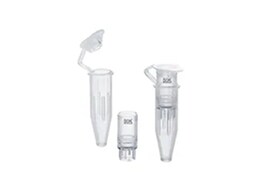
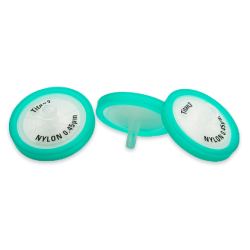
Syringeless filters and syringe filters are commonly constructed from PVDF or PTFE. They are used to filter impurities such as fine particles from small to medium sample volumes prior to use and are suitable for both aqueous and aqueous-organic samples.


Useful Links
Save Now - Exclusive Deals

Product Code 15131499

Product Code 15161499
Product Code 15171499

Product Code 15121499

Product Code 10467152

Product Code 10509821

Product Code 10109180

Product Code 10686521

Product Code 10421551
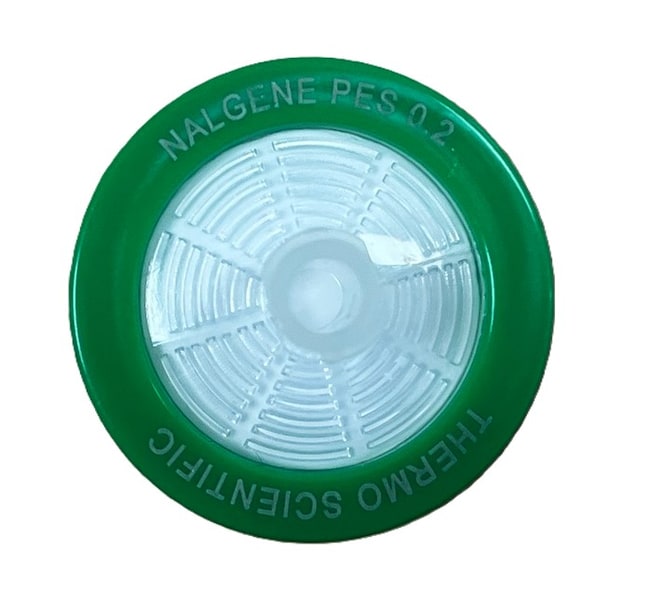
Product Code 15342378

Product Code 10004660

Product Code 11909424


Product Code 13426826
Complete Your Order - Great Deals

Product Code 11879624

Product Code 15392388
Must Have

Product Code 15101499
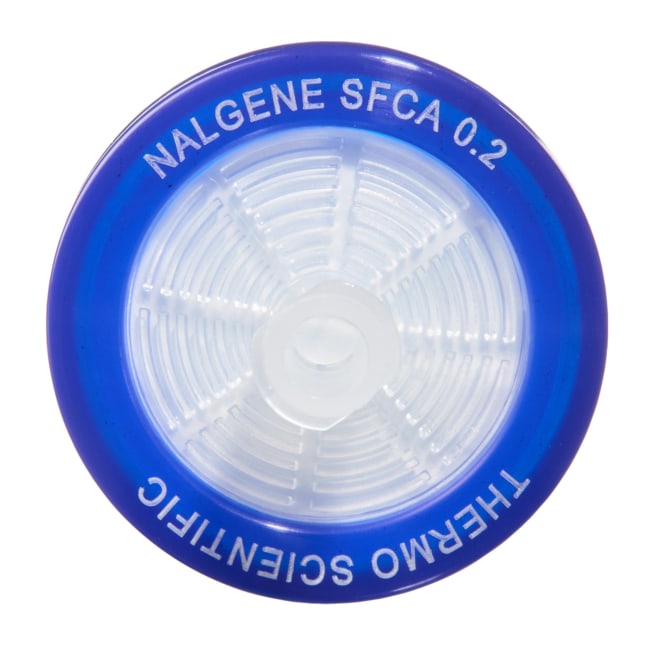
Product Code 15302388

Product Code 15181499
Product Code 15392388
Product Code 11879624

Product Code 10509822
FAQ
Syringeless filters integrate the sample chamber and membrane in one device, so you can filter by pressing, often faster with fewer components. Syringe filters attach to a syringe and offer more flexibility for solvents and volumes. Popular options include Whatman, Merck Millex, Sartorius Minisart, Thermo Scientific and Fisherbrand ranges.
Match membrane chemistry to your solvent and analytes. PES is a common choice for aqueous samples; PTFE handles aggressive solvents and many organics; nylon is versatile for many aqueous/organic mixes; PVDF can suit low protein-binding needs. Check compatibility guidance from brands like Merck, Sartorius and Whatman before ordering.
Use 0.45 µm when you need general particulate removal and faster flow for cleaner samples. Use 0.22 µm when you need finer clarification or sterile filtration goals. Many product lines (Fisherbrand, Merck Millex, Thermo Scientific and Sartorius) offer both pore sizes across multiple diameters.
Diameter affects filtration area and throughput. Smaller diameters like 13 mm are suited to low volumes and rapid checks, while 25–33 mm provides more area for higher volumes or more particulate-heavy samples. Consider your sample volume, viscosity and clogging risk, then choose from Whatman, Merck or Sartorius formats.
Top Brands