DNA Extraction and Purification
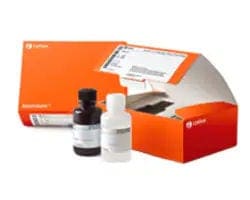
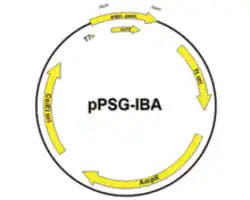
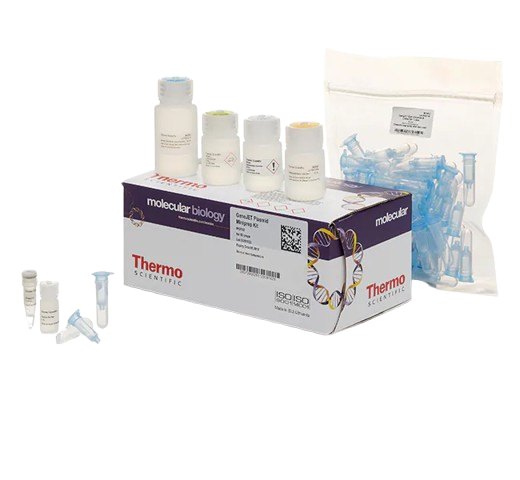
The isolation of DNA from different sample types and its subsequent purification requires a range of reagents and consumables. We offer a comprehensive portfolio of kits and chemicals for plasmid (miniprep, midiprep, maxiprep), PCR, and genomic DNA purification, as well as gel extraction and more.

Useful Links
Save Now - Exclusive Deals

Product Code 10054394

Product Code 11941411

Product Code 11452420
Product Code 10004064

Product Code 11551645

Product Code 11452410

Product Code 10218134

Product Code 10591758

Product Code 11783299
Product Code 30067474

Product Code 16336542
Complete Your Order - Great Deals

Product Code 11972945
Must Have

Product Code 10202540

Product Code 10571031

Product Code 3973089

Product Code 15341672

Product Code 4520372
FAQ
The purpose of DNA extraction and purification is to isolate DNA from cells or tissues so that it can be used for various downstream applications. These applications include:
- Genetic Research: Studying the structure, function, and regulation of genes
- Diagnostics: Identifying genetic disorders, infectious diseases, and other health conditions
- Forensic Analysis: Analyzing DNA from crime scenes for identification purposes
- Biotechnology: Genetic engineering, cloning, and production of genetically modified organisms (GMOs)
- Pharmaceutical Development: Discovering and developing new drugs and therapies
- Agricultural Science: Breeding plants and animals with desirable traits
DNA extraction and purification ensure that the DNA obtained is free from contaminants such as proteins, lipids, and other cellular components that could interfere with these applications.
To purify DNA after extraction, common methods include:
- Phenol-Chloroform Extraction: Removes proteins using phenol and chloroform, followed by ethanol precipitation.
- Ethanol Precipitation: DNA is precipitated with ethanol and sodium acetate, then washed with 70% ethanol.
- Silica Column-Based Methods: DNA binds to silica columns, contaminants are washed away, and DNA is eluted.
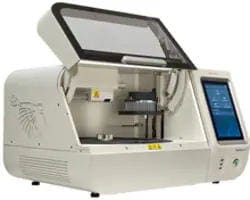
- Magnetic Bead-Based Methods: DNA binds to magnetic beads, contaminants are washed away, and DNA is eluted.
- Cesium Chloride Density Gradient Centrifugation: Uses ultracentrifugation to separate DNA based on density.
Each method is chosen based on the purity requirements and resources available.
Filtering is important in DNA extraction for several reasons:
- Removal of Debris: It helps to eliminate particulate matter, such as cell fragments and undissolved materials, that could interfere with subsequent steps in the extraction process
- Improving Purity: By removing contaminants, filtering ensures that the extracted DNA is cleaner and more suitable for downstream applications like PCR, sequencing, and cloning
- Preventing Equipment Damage: Filtering protects laboratory equipment (e.g., centrifuges, pipettes) from clogging and potential damage caused by debris
- Enhancing Accuracy: Cleaner samples lead to more accurate and reliable results in genetic analysis and other applications
Overall, filtering is a crucial step to ensure the quality and integrity of the extracted DNA.
Resources and Related Information


Top Brands